Recent Search
Popular Tags
No Result found for ""

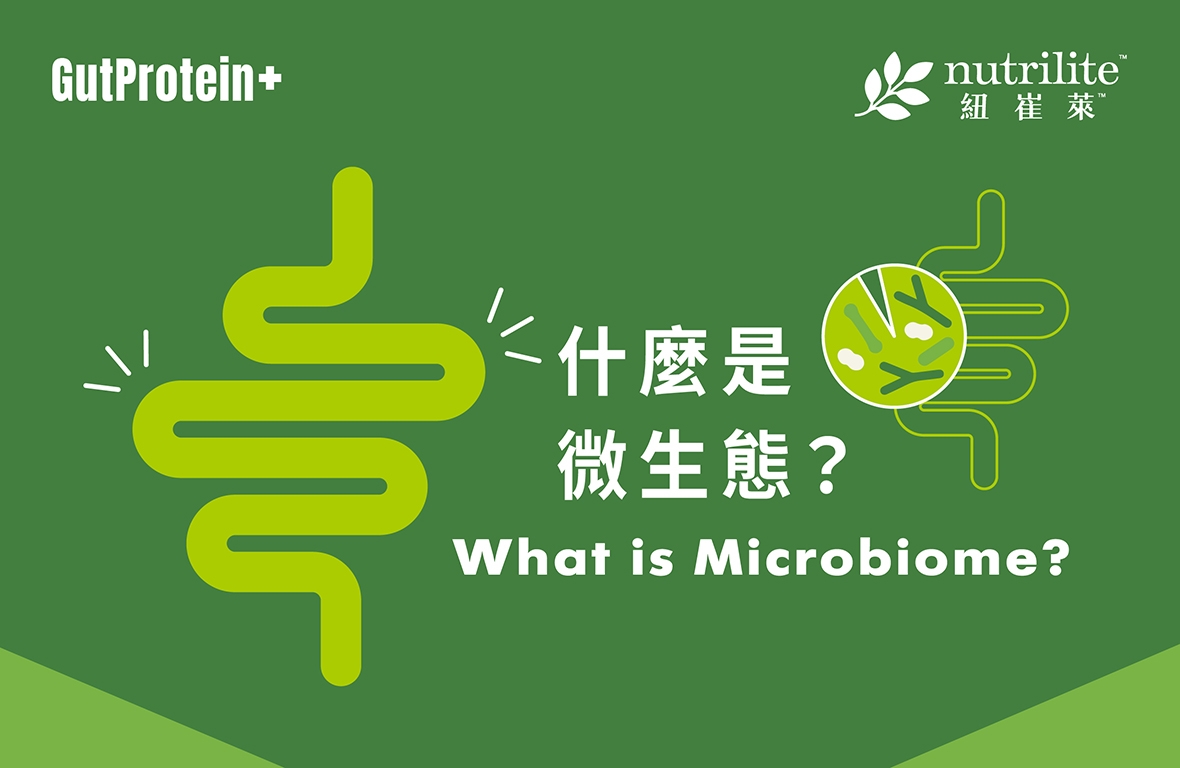
Many people think gut health only impacts digestive issues like bloating or diarrhea. However, the gut does more than just digest food and absorb nutrients; it plays a crucial role in immune regulation, metabolism, and communication with the nervous system, known as the gut-brain axis. Therefore, an imbalance in gut bacteria can lead to negative effects on overall health.
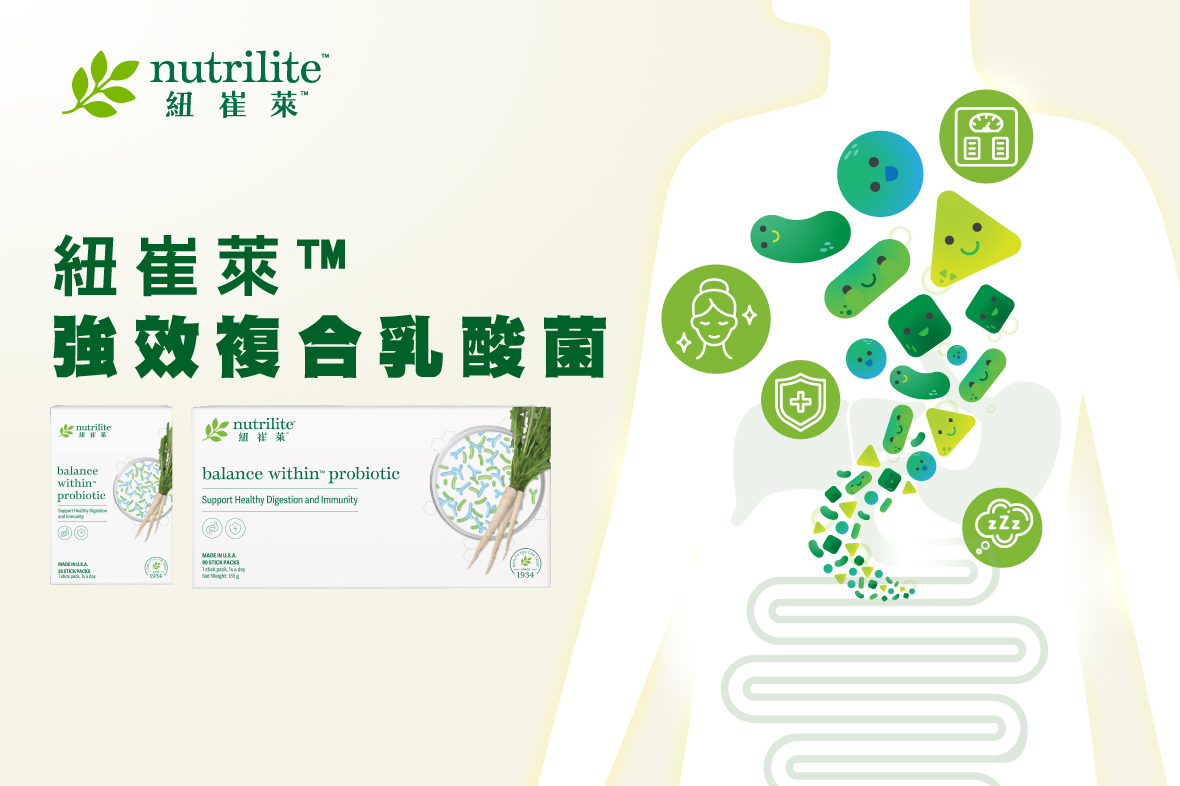
Probiotics and prebiotics are well-known for their role in supporting gut health. Recently, numerous research have also focused on the study of postbiotics and the synergistic benefits of combining all three. Let’s explore the roles and benefits of each in maintaining gut health.
Prebiotics
Prebiotics are mostly dietary fibers that our bodies cannot digest. Probiotics serve as food for probiotics, helping to promote the growth and activity of good gut bacteria, as well as maintaining a balanced microbiome.
Probiotics
Probiotics are live microorganisms that work together to fight harmful bacteria, keeping the microbiome healthy and balanced. They support not only gut health but also immune and skin health.
Postbiotics
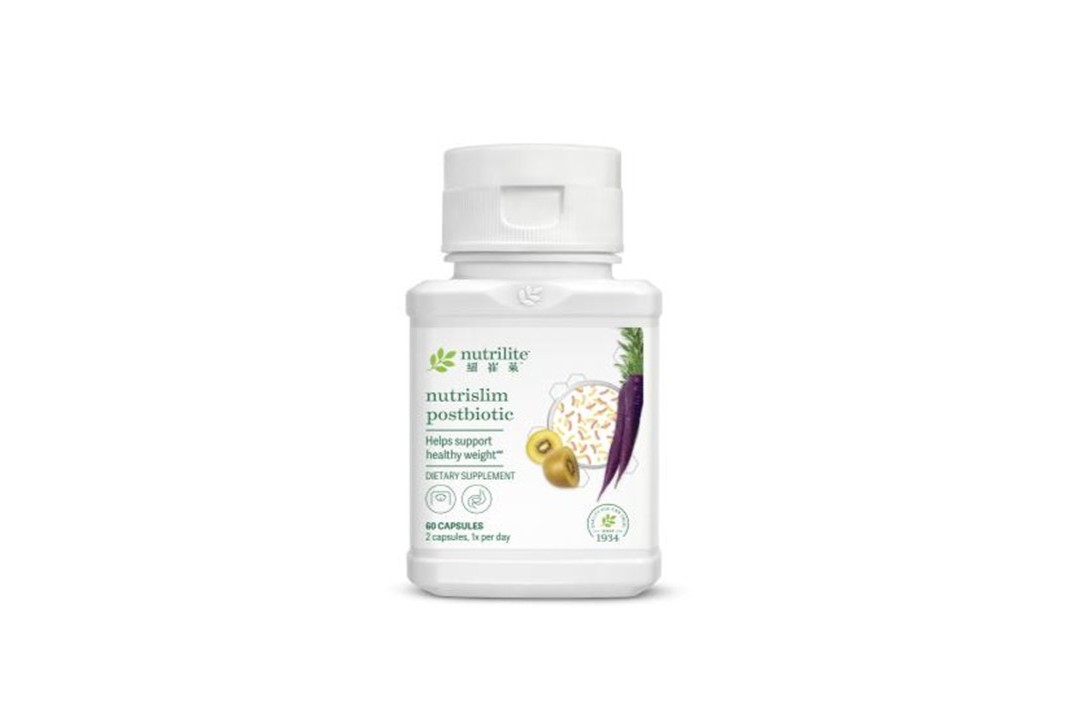
Postbiotics are metabolic byproducts produced by active probiotics, providing you with positive health benefits. Postbiotics help lower the pH value in gut, creating a more favorable environment for good bacteria while making it difficult for bad bacteria to thrive. This, in turn, produces more postbiotics, supporting gut barrier function and promoting gut, immune, and metabolic health.
Prebiotics, probiotics, and postbiotics are all essential as they work together to achieve optimal gut health.


Save to
Delete
Are you sure?
Do you really want to delete this bookmark list? This process cannot be undone
Confirm